Having worked in the wood industry for decades, I’ve noticed that when most people hear the word “timber,” they immediately picture deforestation.
Architects, interior designers, and builders often face the same dilemma: Is using real wood actually sustainable, or should we stick to alternative materials?
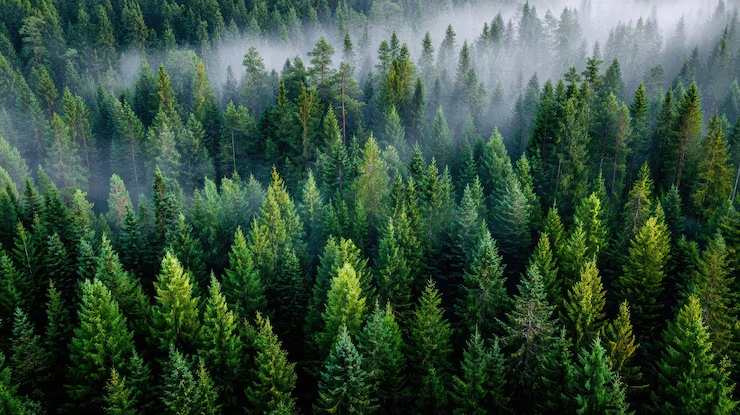
There is a huge piece of the puzzle that rarely gets discussed, especially when it comes to planted pine and sustainable forestry in warmer climates, where trees can grow rapidly.
To understand why managed, planted forests can play an important role in sustainable construction, we first need to look at how a tree actually grows—and what happens to the carbon it consumes.
Wood Is Half Carbon — Literally
First, let's clear up a fundamental scientific reality: wood doesn’t grow primarily out of the soil. Much of its mass ultimately comes from carbon dioxide in the air.
Roughly 49% to 50% of a tree's dry mass is carbon. Through photosynthesis, trees take carbon dioxide from the atmosphere and use that carbon to build wood and other tissues.
As trees grow, this process effectively stores atmospheric carbon in their biomass.
However, there is an important detail: carbon uptake and storage change throughout the life cycle of both individual trees and entire forests.
The Aging Process of a Tree: Growth, Maturity and Decay
A tree is a living organism, and its growth rate changes throughout its life.
- Young, Growing Trees: During periods of rapid growth, trees actively absorb carbon dioxide as they build trunks, branches, roots, and leaves.
- Mature Trees: As trees mature, their growth rates can slow. They continue storing substantial amounts of carbon, although the rate at which additional carbon is accumulated may change considerably depending on species, climate, site conditions, and forest management.
- Dead and Decaying Trees: When trees die and decompose, microorganisms such as fungi and bacteria break down their organic material. Over time, part of the stored carbon returns to the atmosphere, while some can remain in soils, deadwood, or other forest carbon pools.
At the scale of an entire mature forest, carbon dynamics become a balance between new growth, mortality, decomposition, and soil storage. This is why understanding forestry requires looking beyond a single tree and considering the complete ecosystem and its carbon cycle.
Harvesting as Long-Term Carbon Storage
This is where sustainably managed forestry and long-lived wood products become especially interesting.
When trees are responsibly harvested and converted into durable products, a portion of the carbon accumulated during their growth remains stored in the wood.
Consider two important parts of this cycle:
1. Locking Carbon Into Long-Lasting Products
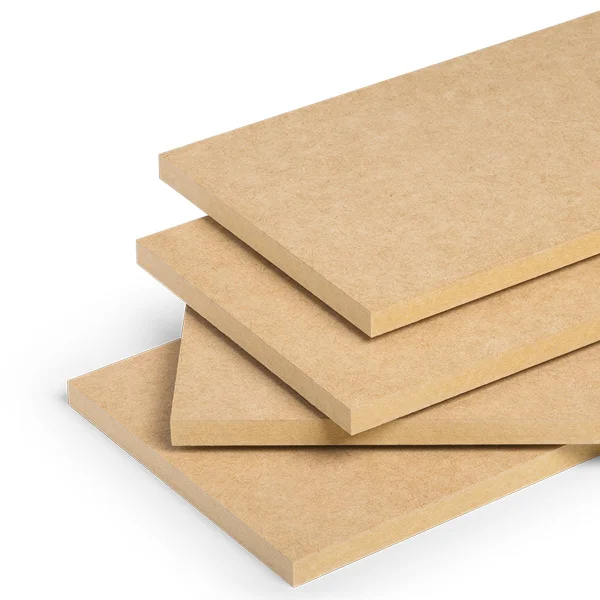
When harvested timber becomes doors, solid wood furniture, cabinetry, flooring, structural timber, or timber-framed homes, the carbon contained in that wood can remain stored for decades—and potentially much longer.
Instead of immediately returning to the atmosphere through decomposition or combustion, that carbon becomes part of our buildings and interiors.
In that sense, durable wood products can function as a form of long-term carbon storage.
2. Restarting the Growth Cycle
In a properly managed planted forest, harvesting is followed by regeneration or replanting.
New trees begin growing on the same land, absorbing carbon dioxide and building new biomass. Over successive rotations, the forest continues producing renewable wood while maintaining an ongoing cycle of growth and carbon uptake.
The sustainability of this system depends heavily on responsible forest management, regeneration, soil protection, biodiversity considerations, and what ultimately happens to the harvested wood.
The Role of Planted Forests in Warmer Climates
This cycle can be particularly productive in planted pine forests located in regions with favorable growing conditions.
With adequate rainfall, sunlight, suitable soils, and appropriate forestry practices, plantation trees in some warmer regions can reach commercial maturity considerably faster than comparable forests in colder climates.
Well-managed planted forests can offer two important advantages:
- High Productivity: Faster tree growth can produce significant quantities of renewable wood on a relatively limited land area while continuously cycling carbon through growing biomass.
- Reduced Pressure on Natural Forests: Supplying timber from dedicated, responsibly managed plantations can help meet demand without relying exclusively on native and old-growth forests.
However, planted forests and natural forests serve different ecological roles. Plantations should complement—not replace—the conservation of native ecosystems, which provide biodiversity, habitat, water regulation, soil protection, and major carbon reservoirs.
What This Means for Designers, Architects, and Builders
For architects, designers, builders, and developers, the important question isn't simply “wood or no wood?”
The more useful question is:
Where did this wood come from, how was the forest managed, and how long will the finished product remain in use?
When sourced from responsibly managed forests and used in durable applications, wood can combine several valuable characteristics: it is renewable, stores biogenic carbon, and can sometimes substitute for materials whose manufacturing processes have higher greenhouse-gas emissions.
A solid wood door, piece of furniture, cabinet, or structural element therefore represents more than an aesthetic choice. It can become part of a broader system connecting forestry, manufacturing, architecture, carbon storage, and responsible resource management.
Building With Wood Can Be Part of the Solution
Sustainability isn't about simply leaving every tree untouched or harvesting forests without limits. It is about managing natural resources responsibly across their entire life cycle.
Well-managed forests can produce renewable timber while being regenerated for future growth. Long-lasting wood products can keep part of the harvested carbon stored outside the atmosphere for years or decades.
For the building and design industries, understanding this distinction matters.
When wood comes from responsibly managed sources and is transformed into durable products, harvesting and replanting can form part of a renewable material cycle—one that connects growing forests with the buildings and interiors we create.
And that changes the conversation around wood completely.