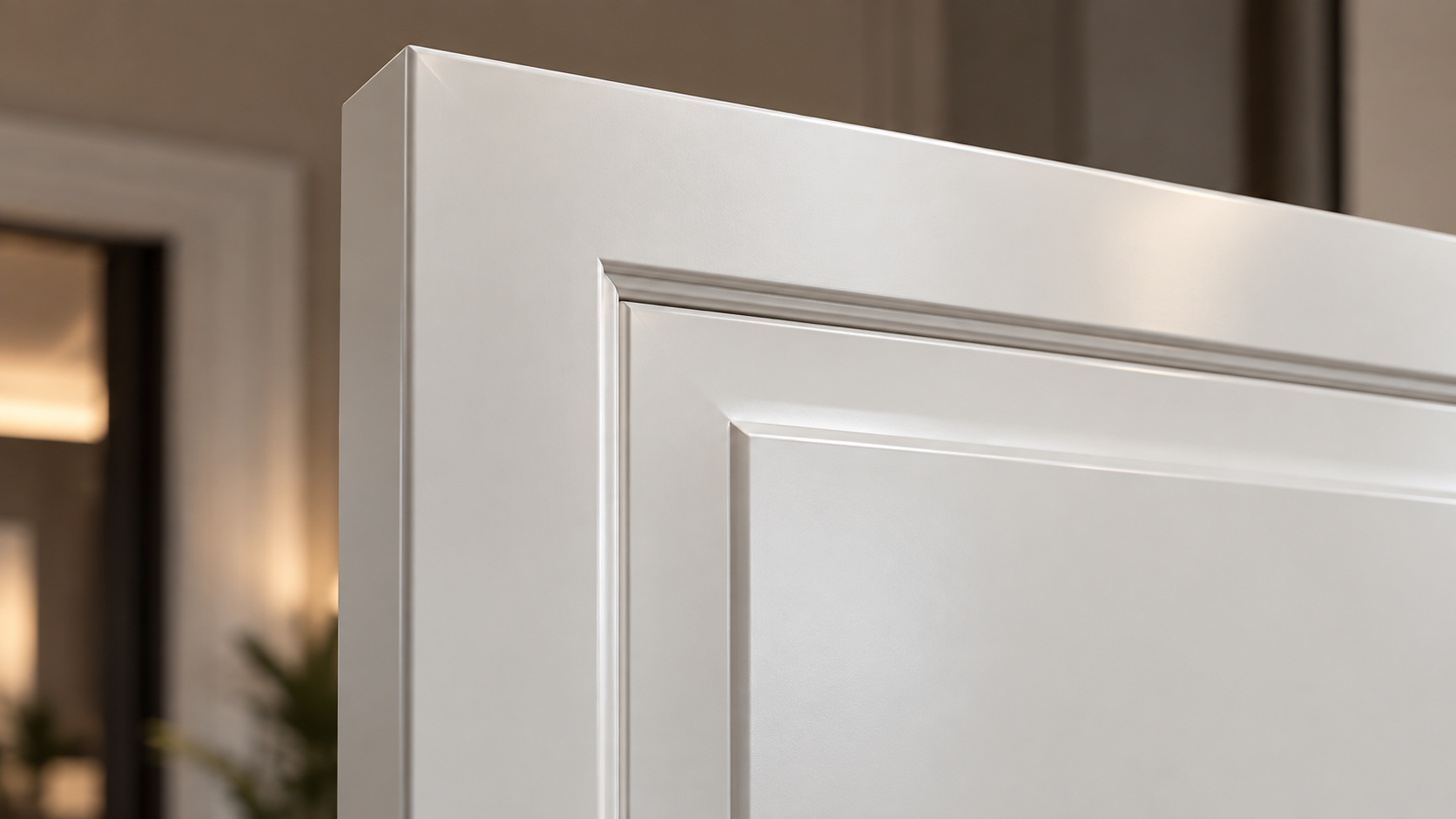
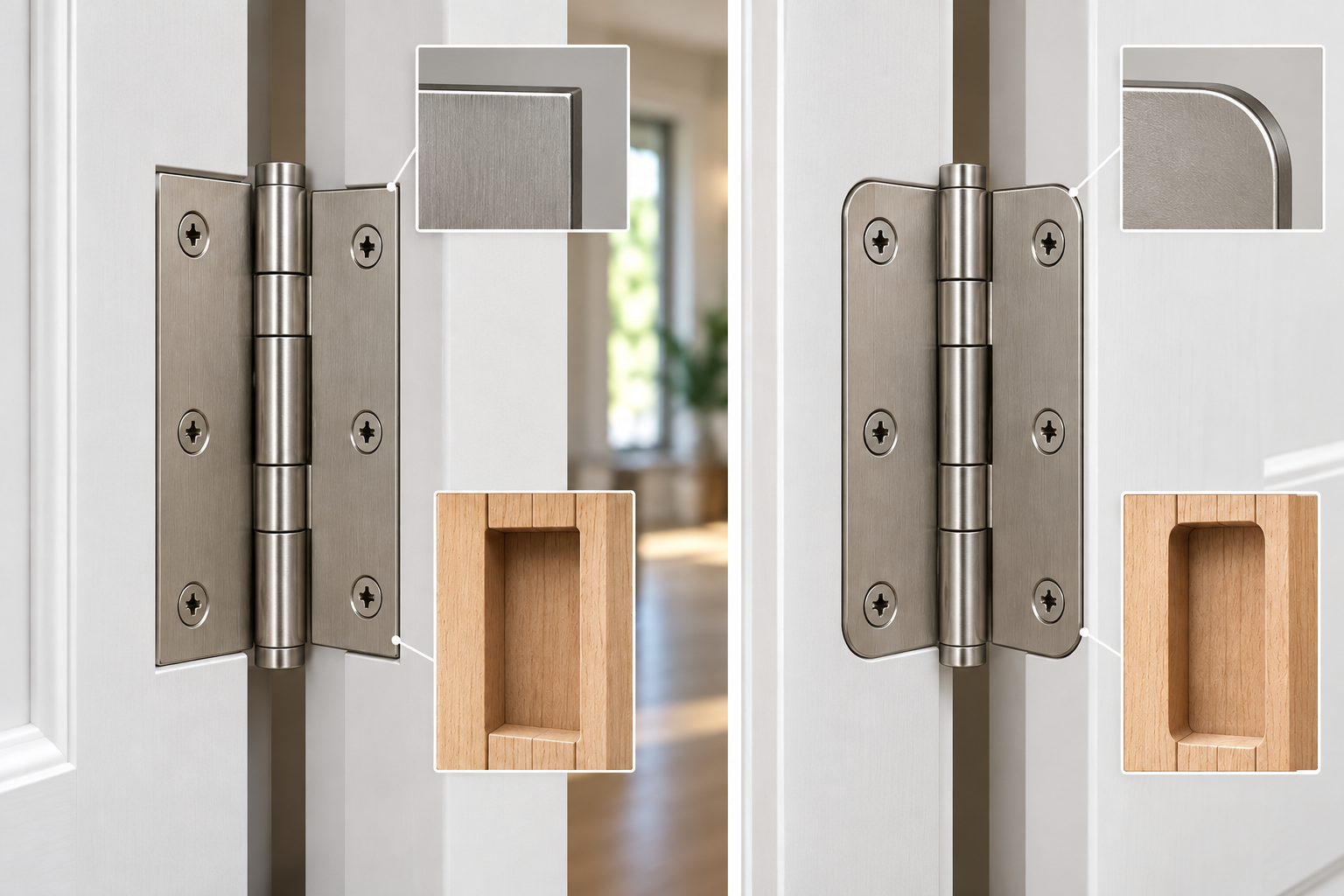
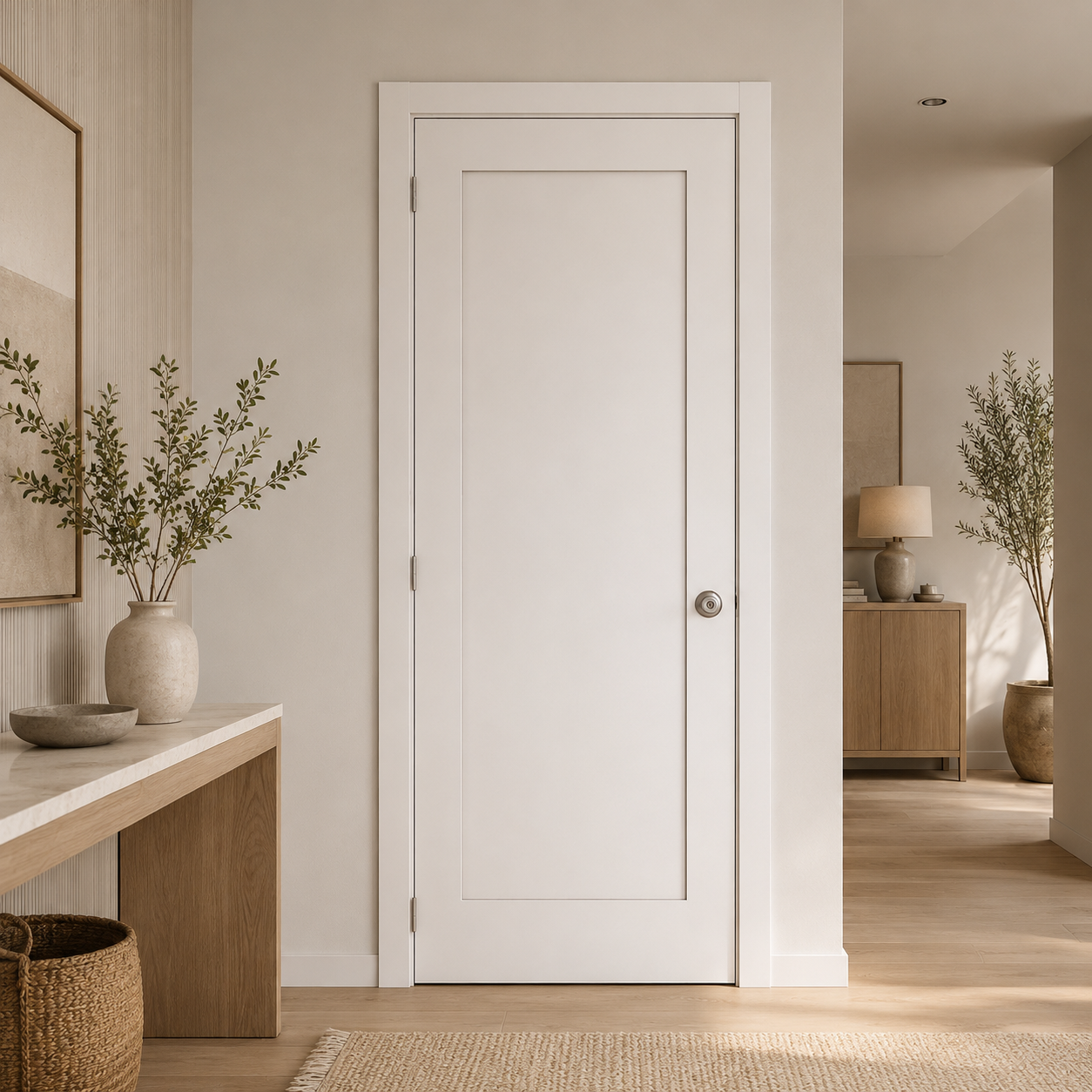
In high-end architectural woodwork, custom cabinetry, and interior door manufacturing, achieving a flawless, furniture-grade finish requires balancing structural preparation with surface refinement. While traditional debates pit manual rolling against spray application, high-performance finishing relies on a strategic hybrid process. Combining a rolled UV putty base with a sprayed primer coat creates a durable, level substrate that eliminates surface defects before topcoating.
The Core Differences: Roller vs. Spray Application
Understanding when to leverage mechanical contact versus atomized application is essential for detailing finishes that withstand heavy use.
Roll Finishing
Roller application applies direct physical pressure, forcing material into wood grain, micro-voids, and joinery seams.
- Mechanical Bond: Direct pressure forces thick compounds deep into the substrate's cell structure.
- Material Density: Ideal for high-solids fillers and heavy-viscosity coatings that require manual spreading.
- Texture Characteristics: Leaves a slight stipple or micro-texture, making it unsuited for final visual coats without extensive post-sanding.
Spray Finishing
Automated spray systems atomize liquid coatings, dropping an even mist onto the surface without mechanical friction.
- High-Build Layering: Builds a uniform, thick film thickness across complex profiles and flat panels alike.
- Uniform Surface Tension: Lays down smoothly without brush marks or roller stipple, resulting in a significantly softer, smoother tactile finish.
- Superior Pore Closure: Heavy atomized builds bridge joinery seams and seal remaining pores evenly.
- Ease of Sanding: High-build spray primers form a smooth, soft-sanding coat that prepares the surface effortlessly for topcoating.
Why The Hybrid Method Wins: Roll Base + Spray Primer
Relying solely on spray finishing can bridge over hollow pores or joint gaps without fully filling them, leading to telegraphing later. Relying solely on rolling leaves texture that telegraphs through high-gloss or satin topcoats. Combining both techniques isolates the strengths of each.
1. Rolled UV Putty Base Application
The process begins by rolling on a specialized UV-curable putty. The physical force of the roller packs the putty directly into the wood grain, seam transitions, and structural joinery gaps.
- Fully closes surface pores that spray atomization might skip over.
- Fills substrate imperfections at the structural level.
- Cures rapidly under UV light to create an impermeable, hard foundation.
2. Intermediate Leveling & Sanding
Once cured, the putty layer undergoes precise mechanical sanding.
- Flattens the rolled texture and removes excess material.
- Creates a completely uniform, level base.
- Prepares the mechanical profile required for optimal primer adhesion.
3. Sprayed High-Build Primer Layer
With the base fully sealed and leveled, a high-build primer is sprayed over the surface.
- Fills any micro-scratches left by the sanding process.
- Creates a soft, continuous, and touch-smooth layer over the entire component.
- Provides a consistent dry film thickness across edges, panel faces, and detailed profiles.
4. Final Sanding & Topcoat
Because glossy and semi-gloss topcoats naturally reflect light—amplifying every minor flaw beneath them—a flawless primer foundation is mandatory. The sprayed primer coat sands down effortlessly to a velvet-smooth finish, ensuring the final paint application is entirely free of telegraphing, joint lines, or grain show-through.
Specifying for Success
For architects, interior designers, and general contractors, specifying a Rolled UV Putty / Sprayed Primer Hybrid System guarantees that doors, cabinetry, and interior woodwork deliver both long-term structural integrity and a refined aesthetic.
Which upcoming millwork or door project in your pipeline could benefit from this hybrid finish specification?