Quick answer: Most of a tree's mass comes from the air, not the soil. Leaves take in carbon dioxide and, powered by sunlight, use its carbon to build the trunk, branches and roots, while the soil supplies only a few grams of minerals. In Jan Baptist van Helmont's classic five-year experiment, a willow gained about 75 kg while its soil lost just 57 g, roughly the weight of an egg.
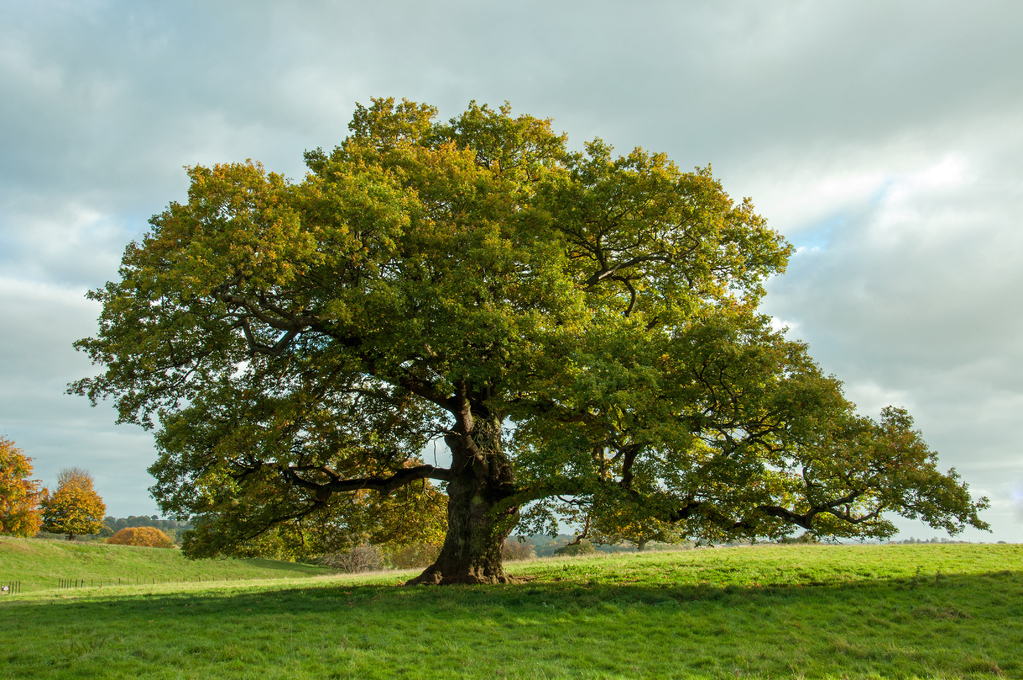
Look at a big tree and it's easy to assume it pulled all that weight up out of the ground. It weighs tons, and the ground is right there. But a simple experiment from the early 1600s, retold in a TikTok by the creator Vibe Samurai, shows that the real answer is far stranger: a tree builds itself mostly out of thin air.
Inspired by a video from Vibe Samurai (@vibe_samurai) on TikTok.
Soil, water or air: where does the wood come from?
All the material in a tree, every kilo of trunk, branch and root, has to come from somewhere. There are really only three candidates: the soil it stands in, the water it drinks, or the air around its leaves.
Most people pick the soil. It feels obvious. One careful experiment showed that the obvious answer is almost completely wrong.
Van Helmont's willow experiment
In the early 1600s, the Flemish scientist Jan Baptist van Helmont set out to find where the material to build a tree comes from. His method was simple, patient and surprisingly rigorous for its time.
How the experiment worked
- Dry the soil. He dried a batch of soil in an oven until it weighed exactly 90 kg.
- Plant the tree. He put the soil in a pot and planted a willow that weighed 2 kg.
- Water it, and nothing else. For five years he gave it only rainwater, with no fertilizer.
- Keep everything else out. He covered the pot so no dust could fall in and add weight.
- Weigh everything again. After five years, he weighed both the tree and the soil.
The results
The willow now weighed 77 kg, so it had gained about 75 kg. The soil, after five years of feeding a growing tree, had lost only 57 grams, about the weight of one egg.
Stop and think about that: 75 kilos of new tree, and the soil barely noticed. Whatever the willow was made of, it wasn't the dirt.
Van Helmont recorded his figures in the units of his day (roughly 200 lb of soil, a 5 lb willow, a tree of about 169 lb, and about 2 oz of soil lost); the metric numbers above are the rounded conversions used in the video.
Van Helmont bet on water. The air was the missing piece
Van Helmont concluded that the tree must have been made from the water he poured on it. It was a reasonable guess: water was the only thing he had added. But it wasn't the whole story.
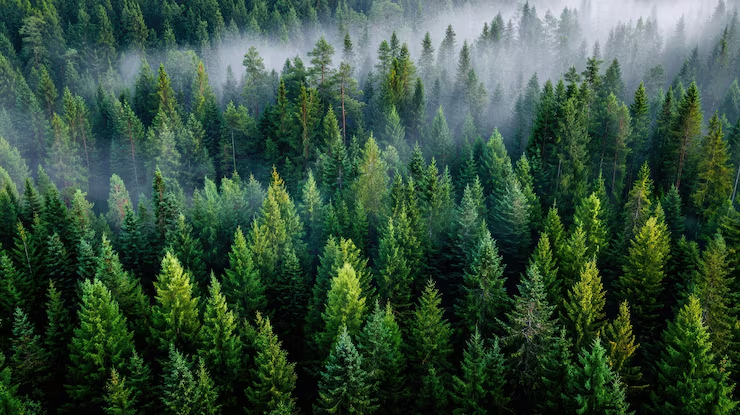
Most of that wood actually comes from the air. About half the weight of dry wood is carbon, and that carbon was never in the ground. It was floating invisibly in front of the tree the whole time, as carbon dioxide in the air.
Water still matters. Trees need a great deal of it, and its hydrogen ends up in the wood too. But the bulk of the solid material comes from a gas most of us never think about.
How a tree builds wood out of thin air
The process is photosynthesis, and in plain terms it works like this:
- The leaf captures carbon dioxide from the surrounding air.
- Sunlight powers the reaction that pulls the carbon out and releases oxygen.
- The carbon becomes building material, assembled into the trunk, the branches, the roots, all of it.
- The soil adds the seasoning: a few essential minerals, measured in grams, not tons.
So that giant tree didn't sprout out of the ground and didn't build itself from the ground. It assembled itself out of thin air, piece by piece, powered by sunlight.
Burning wood runs the journey in reverse
Here's the part that makes it click. When you light a fire and watch wood burn, you are running the tree's journey backwards.
- The heat rising from the fire is stored sunlight, the same energy the leaves captured years before.
- The smoke is air going back to the air: the carbon the tree pulled in returns to the atmosphere.
Which leads to the line that made the video stick: a log is literally solid air with sunlight inside.
Why this changes how you see the wood around you
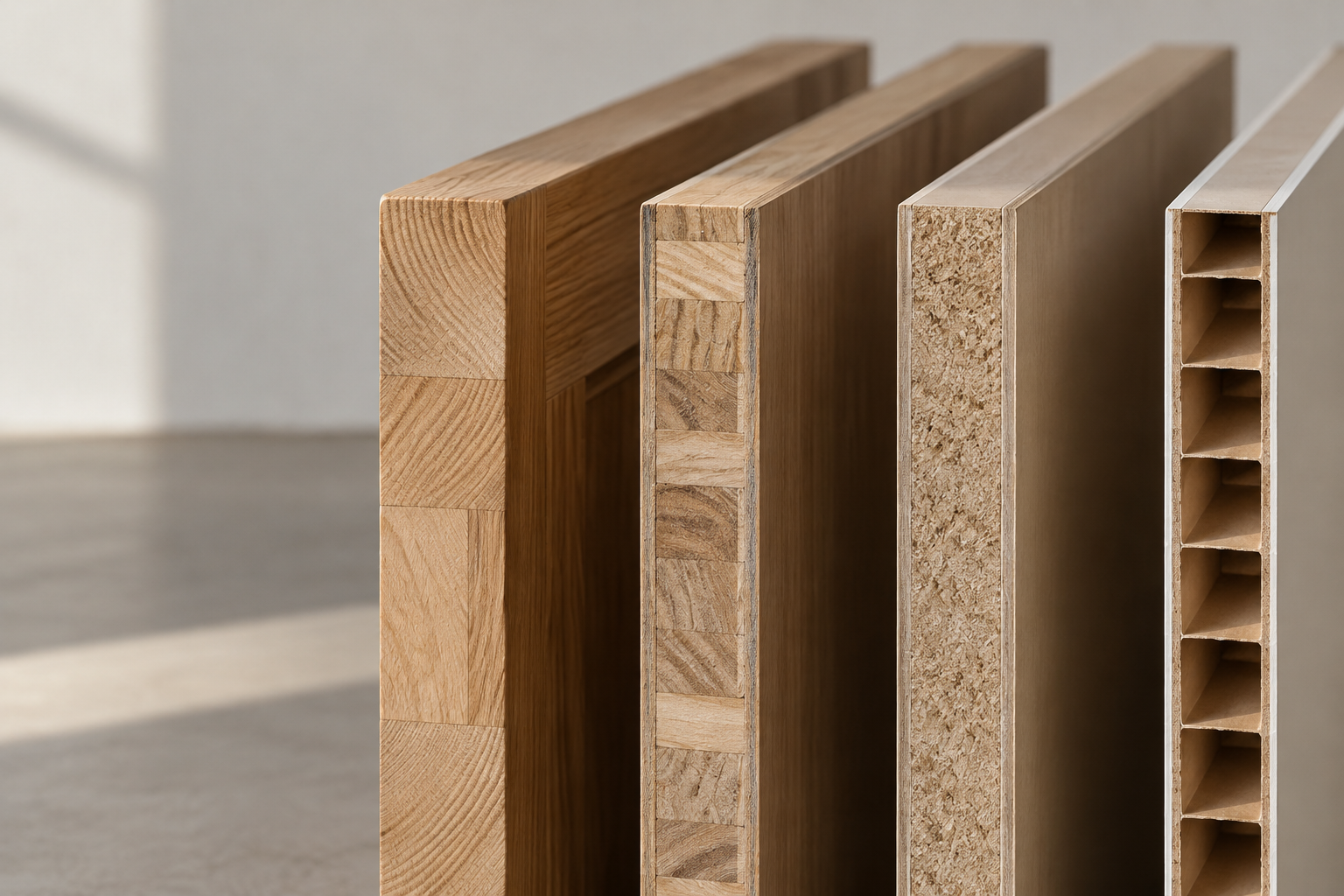
Once you know this, it's hard to look at wood the same way. A hardwood floor, a dining table, a front door or a set of shelves is, in a very real sense, carbon that a tree pulled out of the sky and locked into a solid, using nothing but sunlight, water and a pinch of minerals.
It's a small piece of science that makes everyday materials feel a little more remarkable. Bringing natural wood into a room means bringing in decades of captured sunlight.
Key takeaways
- Most of a tree's mass comes from carbon dioxide in the air, not from the soil.
- In Van Helmont's five-year experiment, a willow gained about 75 kg while the soil lost about 57 g.
- Van Helmont credited water; water helps, but the carbon came from the air.
- About half of dry wood's weight is carbon, captured through photosynthesis.
- Burning wood reverses the process: the heat is stored sunlight and the carbon goes back to the air.
Love the warmth of natural materials at home? Explore the home products from Luxer Home Design.
Frequently asked questions
Where does most of a tree's mass come from?
Most of a tree's mass comes from carbon dioxide in the air. Through photosynthesis, leaves use sunlight to take carbon from the air and build it into wood, while water supplies hydrogen and the soil provides only small amounts of minerals.
What was Van Helmont's willow experiment?
In the early 1600s, Jan Baptist van Helmont planted a 2 kg willow in 90 kg of oven-dried soil, watered it only with rainwater for five years and covered the pot to keep dust out. The tree grew to about 77 kg, while the soil lost only about 57 grams.
Why did Van Helmont think trees grow from water?
Water was the only thing Van Helmont added to the pot during the five years, so he concluded the tree's new weight came from water. He did not account for the carbon dioxide in the air, which supplies most of the material in wood.
Is wood really made from air?
Largely, yes. About half the weight of dry wood is carbon, and that carbon comes from carbon dioxide in the air, captured by the leaves during photosynthesis. Water and a few soil minerals make up the rest.
What does soil actually provide a tree?
Soil provides water, an anchor for the roots, and a few essential minerals. In Van Helmont's experiment the soil lost only about 57 grams over five years while the tree gained about 75 kilograms, which shows how little of the tree's mass comes from the soil itself.
Why does burning wood give off heat?
Burning wood releases energy that the tree originally captured from sunlight during photosynthesis. As the wood burns, its carbon combines with oxygen and returns to the air, so a fire is the tree's growth process running in reverse.
Source video: Vibe Samurai (@vibe_samurai) on TikTok.