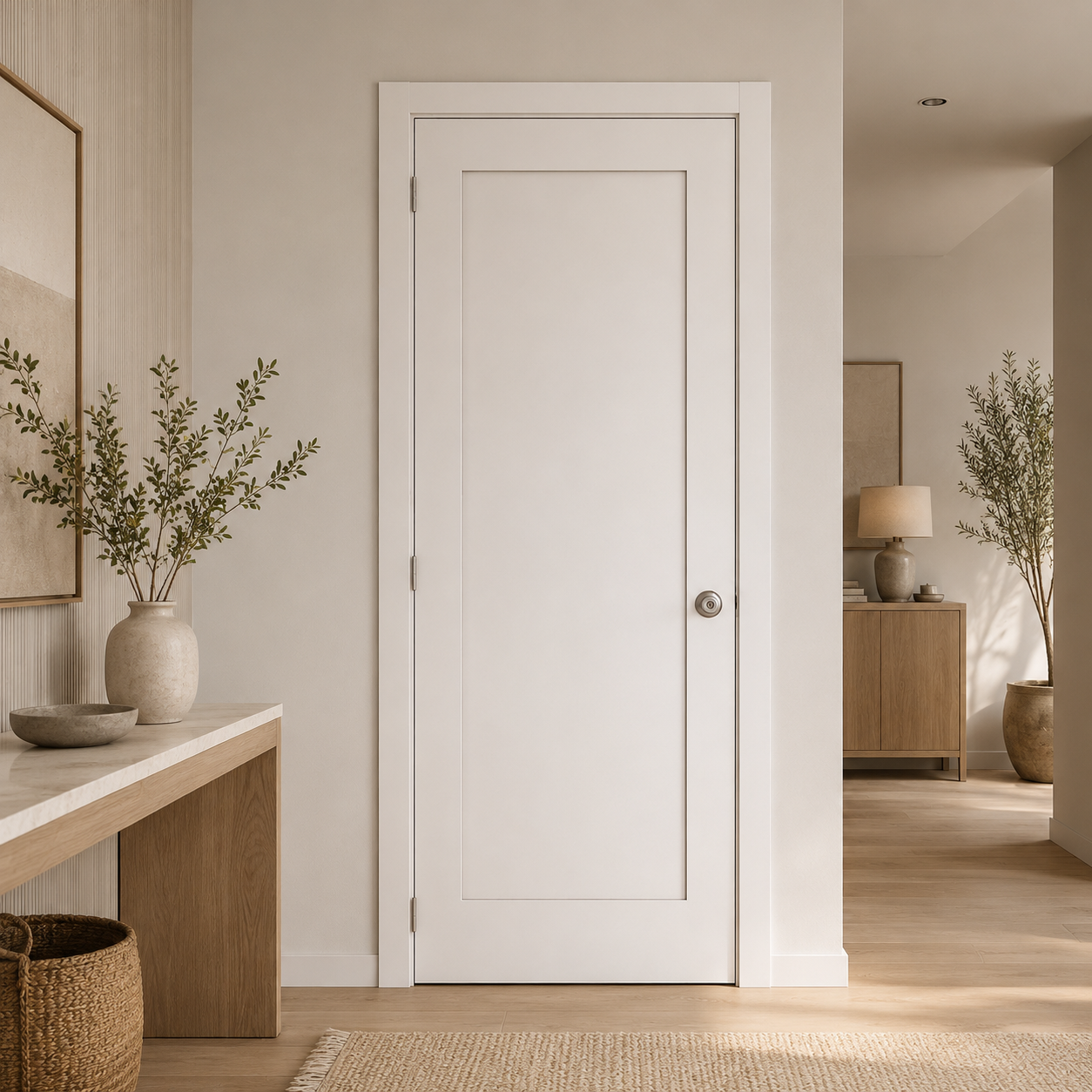
When specifying interior and exterior doors, aesthetics often take center stage. However, as any seasoned woodworking expert will tell you, the long-term performance, dimensional stability, and durability of a door are entirely determined by what lies beneath the surface: the core composition.
Understanding the engineering differences between solid timber, engineered wood, MDP (Medium Density Particleboard), semi-solid, and hollow core options is essential for avoiding job-site callbacks, warp issues, and structural failures over time.
Solid Wood: The Myth of Absolute Performance
Solid wood doors carry a long-standing reputation for weight and craftsmanship. However, specifying a single, continuous piece of natural timber comes with inherent physical challenges.
Wood is a hygroscopic material—it constantly absorbs and releases moisture in response to changes in ambient humidity and temperature.
Because natural grain lines expand and contract unevenly across a solid board, single-piece solid doors are highly susceptible to:
- Internal stress accumulation
- Surface checking and longitudinal cracking
- Structural seam separation
While traditional solid timber offers mass, its natural movement makes it volatile in environments with fluctuating climate controls.
Engineered Wood Cores: The Technical Sweet Spot
To overcome the physical limitations of solid timber, engineered wood core technology was developed—and it remains the most dimensionally stable solution available today.
The manufacturing process intentionally breaks down raw timber into smaller, kiln-dried structural blocks. These pieces are then reassembled with alternating grain directions and bonded under high pressure using advanced structural adhesives.
Why Engineered Cores Outperform Solid Timber
1. Grain Neutralization
Alternating the orientation of the wood grain counteracts natural tension, virtually eliminating warping, bowing, and twisting.
2. Moisture Control
Industrial kiln-drying creates a uniform moisture content throughout the core, mitigating climate-induced expansion.
3. Adhesive Integrity
Modern polyurethane and resin adhesives create cross-linked bonds stronger than the wood fibers themselves. Under stress testing, natural wood fibers will fail long before the glue line gives way.
For architects and builders seeking the weight, acoustic dampening, and premium feel of real wood without the structural risk, engineered cores represent the gold standard.
MDP (Medium Density Particleboard): High Density, Moisture Sensitivity
MDP is manufactured by bonding finely ground wood particles with synthetic resins under intense heat and pressure. While it offers a smooth surface and consistent density across the panel, its vulnerability lies in water absorption.
When exposed to elevated humidity or moisture ingress, the micro-particles swell irreversibly.
Unlike solid or engineered wood, which can expand and contract to a degree, MDP suffers from core breakdown and edge swelling once the bond between particles is compromised.
It is best reserved for strictly controlled, low-humidity environments.
Hollow Core Systems: Lightweight vs. Impact Resistance
Hollow core doors utilize a cellular cardboard honeycomb or light internal frame sandwiched between outer skins.
While highly cost-effective and light on hardware requirements, they lack structural mass.
These doors offer minimal acoustic isolation and high vulnerability to impact damage.
In commercial or high-end residential applications, the lack of tactile weight and durability often makes them unsuitable for primary openings.
Technical Summary for Specifications
Selecting the right door core isn't about finding a one-size-fits-all product—it's about matching mechanical properties to site conditions and budget expectations:
- Engineered Core: Best overall choice for stability, longevity, warp resistance, and premium feel.
- Solid Wood: Historic appeal, but high risk of movement, checking, and seasonal binding.
- MDP: Budget-conscious choice for dry, climate-controlled interiors; susceptible to moisture damage.
- Hollow Core: Lightweight and economical; low impact resistance and sound attenuation.
By prioritizing engineered structural cores, architects and builders deliver project outcomes that maintain their alignment, operation, and finish quality decades after installation.
See more posts
Where Does a Tree’s Mass Come From? Mostly Thin Air
Read Article
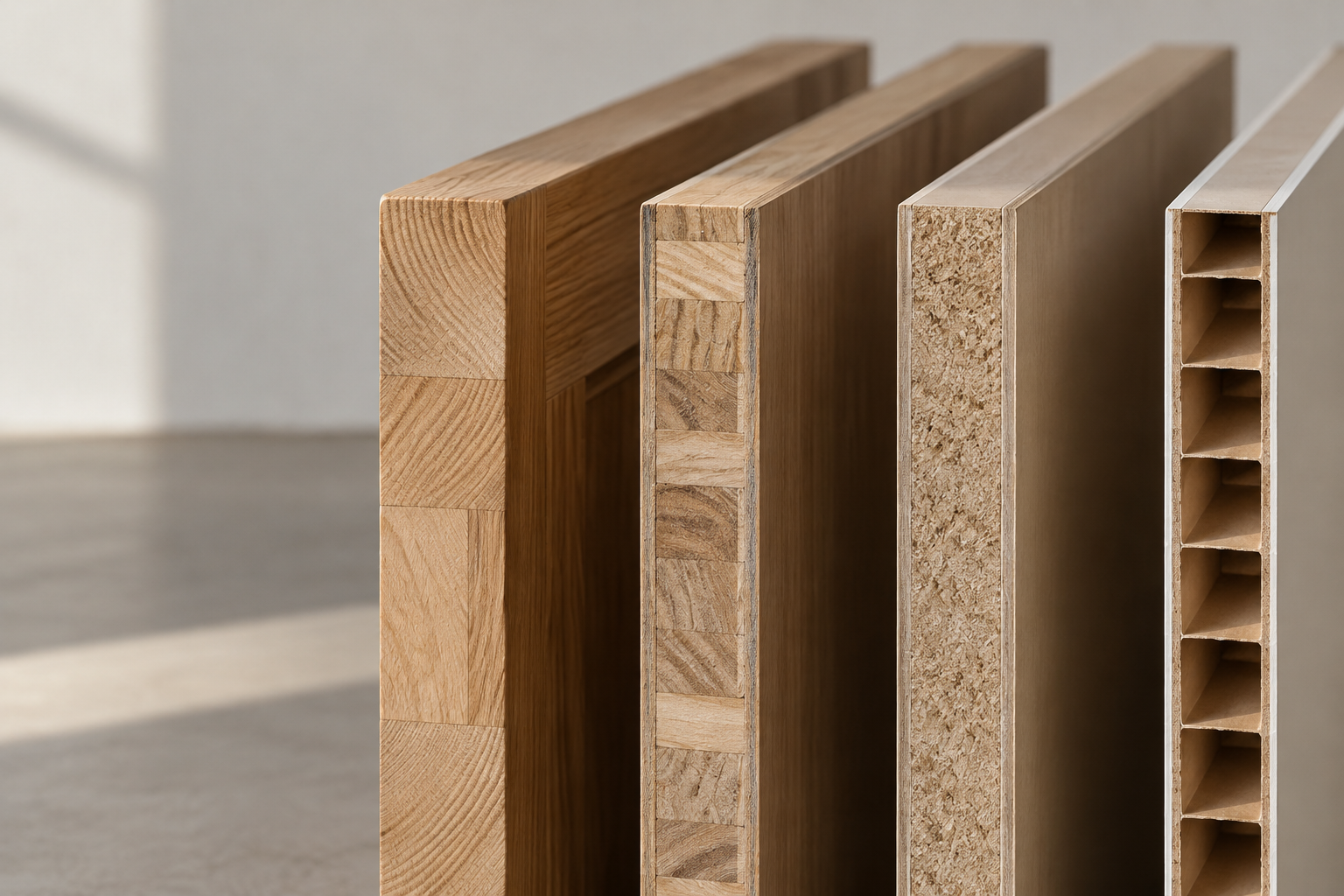
Architectural Guide: Decoding Door Core Engineering for Structural Stability
Read Article
Roll & Spray: The Hybrid Finishing Technique Specifiers Need to Know
Read Article
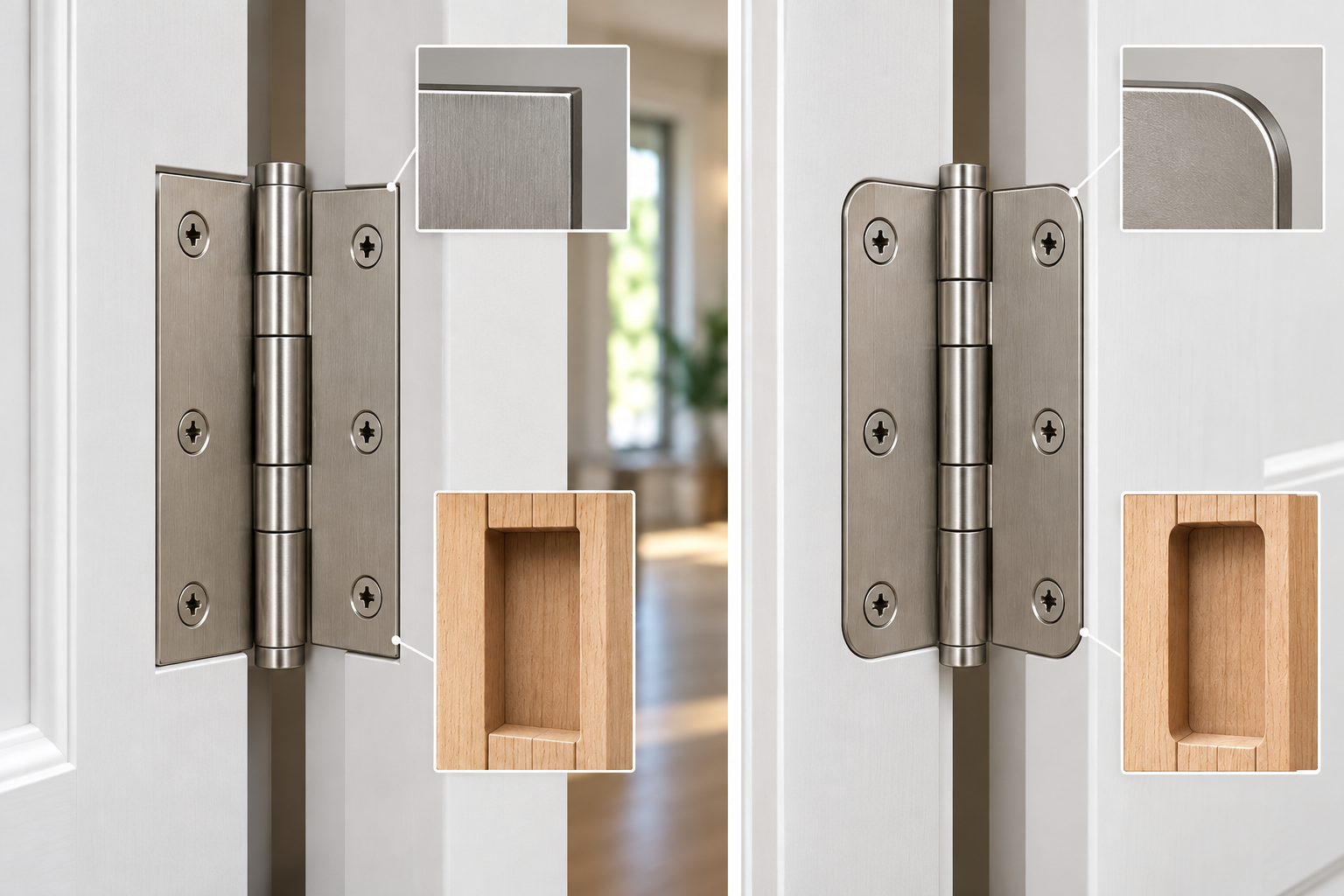
Square vs. Radius Corner Hinges: The Small Detail That Saves Hours on Large-Scale Door Installations
Read Article

Why Harvesting Trees Is Actually Key to Saving the Planet (And What Most People Get Wrong About Wood)
Read Article
Why Tempered Glass Certification Matters: The Unseen Shield in Modern Construction
Read Article
Solid Wood, MDF, or Engineered? The Science of Choosing the Right Interior Door Core
Read Article